



Paperwork is rarely anyone's favorite part of running a small business, yet documents sit at the center of almost every quote, agreement, and client handover. The right PDF tools for small business turn that admin into minutes a week instead of hours, and this guide walks through the exact habits that get you there.
- Standardizing your document process with PDF tools removes the back and forth with clients and saves hours each month.
- Sending contracts as PDFs locks the formatting and prevents unauthorized edits before signing.
- One workflow should cover creation, editing, security, and delivery in a single loop rather than five disconnected apps.
- Free online tools make professional document handling realistic on any budget.
Whether you're sending quotes, signing contracts, or sharing reports, the way you handle business documents either costs you time or saves it. This article breaks down practical, tested strategies that small business owners can apply today, with concrete steps rather than vague advice.
On this page
Why PDFs Still Matter for Small Businesses
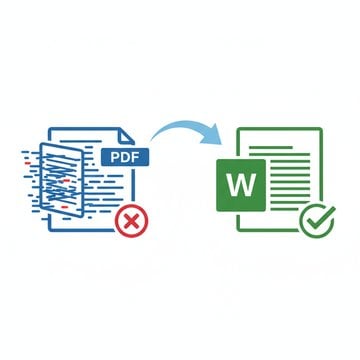
The PDF format was designed to present documents consistently across any device or operating system. For small businesses, that consistency is genuinely valuable. A proposal you send as a Word document might render differently on your client's computer. A PDF arrives looking exactly as you intended.
Beyond appearance, PDFs protect your content. Once a document is exported to PDF, the layout is locked. Clients cannot accidentally (or intentionally) alter your pricing, terms, or scope of work before forwarding it. For business documents PDF workflows, this stability is a practical safeguard, not just a technical detail.
Small businesses also deal with a wide range of document types: invoices, proposals, onboarding packets, service agreements, and tax forms. Each of these benefits from a format that is universally readable, printable, and easy to archive. Building a reliable pdf workflow for small business around these document types is one of the highest-leverage improvements you can make to your operations.
A Concrete Example: The Freelance Designer
Consider Maya, a freelance graphic designer who works with five to eight clients at any given time. Before she standardized her document process, she was losing roughly three hours a week to document-related friction: reformatting proposals, chasing signed contracts, and re-sending invoices that clients claimed looked broken on their end.
Here's what her new workflow looks like after adopting a consistent set of PDF tools:
- Proposal creation: She builds proposals in Google Docs, then converts them to PDF before sending. This ensures clients see exactly what she designed, with no font or layout surprises.
- Contract delivery: She uses a PDF editor to add a fillable signature field to her standard contract template. Clients sign digitally and return the file. No printing, scanning, or mailing involved.
- Invoice management: She converts her Excel-based invoice tracker to PDF before sending. If you handle similar spreadsheets, the Excel to PDF tool handles exactly this conversion.
- File security: For sensitive project briefs, she adds password protection before sharing via email. More on that approach in the article on PDF security and privacy.
The result: Maya reclaimed about two and a half hours per week. That's over 100 hours a year, simply by being more deliberate about her document format.
Best Practices for PDF Workflows in Small Business
The following tips are grounded in real constraints: limited time, limited budget, and no dedicated IT support. These are not theoretical best practices. They work for solo operators and teams of ten alike.
1. Create a Master Template for Each Document Type
Build one clean, branded PDF template for your proposals, invoices, and contracts. Edit it once, lock the design, and reuse it. This eliminates the "start from scratch" problem that wastes time on every new client. Tools that let you edit PDFs online make it simple to update these templates without needing desktop software.
2. Use PDF Forms for Client Intake
Instead of sending a Word document that clients need to edit and return, create a fillable PDF form. Clients fill it out directly in their browser or PDF reader and send it back. This reduces formatting errors and speeds up your intake process. The loopdf PDF forms tool makes this straightforward without technical setup.
3. Compress Before You Send
Large PDF files cause real problems: they bounce back from email servers, load slowly, and frustrate clients. Running the file through the compress PDF tool before sending is a five-second habit that prevents those issues. The guide on how to compress PDF files without losing quality walks through the best approaches.
4. Remove Unnecessary Pages Before Sharing
If you're sending a contract that includes internal notes or draft pages, remove them before the file leaves your hands. You can delete pages from the PDF in seconds, and a clean final version looks more professional.
5. Standardize File Naming
A consistent naming convention (for example: ClientName_Invoice_2026-06.pdf) makes your files searchable and your folders manageable. This sounds minor but becomes critical when you're looking for a document during a client call.
6. Protect Sensitive Documents with Passwords
Not every document needs a password, but financial summaries, legal agreements, and client data should be protected. You can add a password to a PDF in seconds. This is a basic but often skipped step in a pdf workflow for small business.
7. Keep an Editable Source File
Always save the original editable version (Word, Google Docs, Excel) alongside the exported PDF. When you need to update terms or pricing, you won't have to reverse-engineer a locked file. For when to keep Word and when to send PDF, see PDF vs Word.
Sign a contract without printing itAdd a signature field, sign in the browser, send the locked fileHow to Send Contracts as PDF the Right Way
Knowing how to send contracts as PDF properly is one of the most practical skills a small business owner can develop. A poorly handled contract creates legal ambiguity and delays projects. Here's a clean process that works:
- Draft in a word processor first. Write and review the contract in Google Docs or Word, where editing is easy and version history is available.
- Export to PDF only when the content is final. Exporting too early leads to multiple versions floating around, which creates confusion.
- Add a signature field. Use the sign PDF tool to insert a signature line so the other party can sign digitally, with no printer involved. If you are unsure which kind of signature an agreement needs, the article on e-signatures vs digital signatures explains where each one holds up.
- Send via a trackable method. Email with a read receipt, or a document-sharing platform that logs when the file was opened, gives you a basic paper trail.
- Store the signed copy immediately. Save it to a dedicated folder with a clear name and date. Don't leave it in your email inbox.
If you regularly deal with contract PDFs, the loopdf tools let you handle editing, signature fields, and compression in one place without switching between apps. Edit the document first, then send it for signature, and see how the pair fits your current process.
Common PDF Mistakes That Waste Your Time
Even experienced users repeat the same document errors. Recognizing them is the first step to cutting them out. The most time-consuming ones for small businesses include:
- Sending editable Word files instead of locked PDFs, which invites accidental changes.
- Forgetting to check how a PDF looks on mobile before sending it to a client.
- Using inconsistent fonts or layouts across documents, which undermines brand credibility.
- Not compressing files, leading to delivery failures on email.
- Skipping version control, so you're not sure which draft was the last one sent.
Each of these is fixable with a small process change. The goal is not perfection on the first try but building habits that prevent repeat errors. Professional PDF tips are only useful when they're applied consistently, not just once.
Conclusion
Time is the real currency for small business owners, and document friction drains it steadily. By building a deliberate process around PDF tools for small business, you reduce the invisible overhead that comes with every client interaction. Start with one change: standardize how you send contracts, or compress files before delivery, or build a reusable invoice template. Small adjustments compound quickly. The tools are available, most are free or low-cost, and the payoff in recovered time is real. Your documents represent your business. Make them work for you, not against you.
Ready to cut your document admin down?
- Edit, compress, and reorder business documents straight in the browser
- Add signature fields and send contracts that stay locked
- Password protect anything holding client or financial data
Frequently asked questions
Many high-quality PDF tools are free or low-cost. Online platforms like loopdf let you edit, compress, convert, and secure PDFs without a subscription. The key is finding one tool that handles multiple tasks so you're not juggling five different apps for basic document work.
Write and finalize the contract in a word processor, then export it to PDF only when the content is ready. PDF locks the layout so fonts, spacing, and structure appear identically on any device. Avoid sending Word or Google Docs files directly for contracts, as formatting can shift unpredictably.
A PDF workflow is a repeatable process for creating, editing, securing, and delivering business documents. It matters because inconsistency in document handling creates delays, errors, and a less professional impression. A defined workflow saves time and reduces the back-and-forth that comes from unstructured document management.
Not every file needs encryption, but any document containing financial data, personal client information, or legal terms should be protected. Password protection takes seconds with most online tools and adds a meaningful layer of security, especially when files are shared via email rather than a secure portal.
Fillable PDF forms let clients enter information directly into the file using any PDF reader or browser, then return it digitally. This eliminates printing, handwriting errors, and scanning. For small businesses, it speeds up onboarding and keeps all client data in a consistent, searchable format from day one.